Talk
From Claude Code to Data Pipelines
AI coding assistants already write Python and SQL for real systems. The challenge is not code generation, but safely running AI-generated changes on production data. Data pipelines mutate shared, historical state. A partial run can leave tables inconsistent and downstream systems misaligned. Most data stacks rely on staging environments and manual discipline to manage this risk. This talk presents a Python-native, transactional approach to AI-assisted data engineering. We treat every pipeline run as an isolated branch: runs execute on zero-copy data branches, all table changes publish atomically, failed runs never reach production, and state is preserved for debugging and replay. Pipelines are defined as ordinary Python functions with declarative inputs and environments. The execution model combines Git-style branching with database snapshot isolation to provide reproducibility, rollback, and concurrency control. We will walk through a live example where an AI coding assistant proposes a change to a production pipeline, runs it on real data, inspects results, and publishes it as a single atomic update. If you work in Python and want AI agents to operate directly on production data without corrupting state, this talk shows the architecture and implementation that make it possible.
About
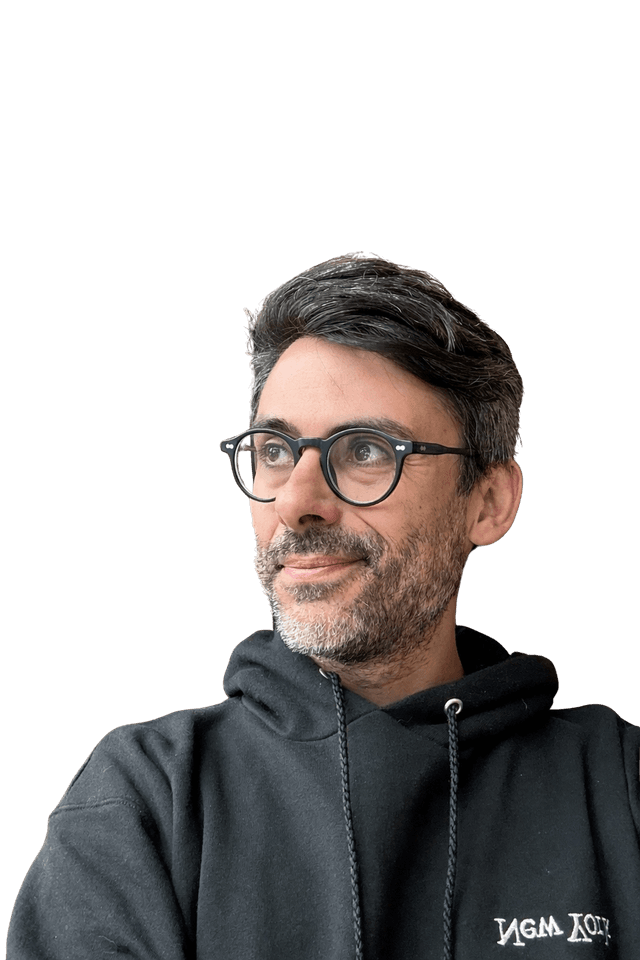
Ciro Greco - co-founder and CEO at Bauplan, a serverless computing platform for complex data workloads. Developers can write complex, multi-language data pipelines with zero environment management and infrastructure configuration and the same instantaneous feedback loop as running code locally. Ciro is also adjunct professor at the IEOR Department at Columbia University where he teaches AI applications. Formerly, he was the founder of Tooso, an NLP startup based in San Francisco. Tooso was acquired by Coveo in 2019 and Ciro was in the management team that brought Coveo to IPO in 2021. In a previous life he got a PhD in Neuroscience at Milan-Bicocca, a postdoctoral fellowship at Ghent University and he was visiting scientist at MIT.